Red Rock Canyon can be a defining Las Vegas day when the plan begins with current land-manager guidance, realistic conditions, and enough margin to let the desert remain the main event.
Use the official source first
Red Rock Canyon National Conservation Area is managed by the Bureau of Land Management. Before leaving the city, check the official BLM information for current access, reservations where applicable, closures, road conditions, weather, fire restrictions, and visitor guidance. A general travel article cannot replace a same-day decision from the land manager.

Zion National Park Small-Group Highlights Tour from Las Vegas
Experience the jaw-dropping wonders of Zion National Park without the strenuous, exhausting climbs. This premium, small-group day trip from Las Vegas...
Match the day to the group
Decide whether the objective is a scenic drive, visitor-center interpretation, a short walk, a longer hike, climbing with appropriate experience, or simply time in the landscape. Choose for the least-experienced member and the actual conditions. Desert heat, sun, wind, storms, and limited shade can make a familiar distance feel different from an urban walk.
- Carry water and sun protection suited to the season and activity.
- Use an official trail description and lawful parking/access point.
- Tell someone the plan when the activity warrants it.
- Do not approach or feed wildlife.
- Leave cultural resources, rocks, plants, and fossils where they are.
- Turn back when conditions or the group no longer match the plan.
Protect the transition back to town
An outdoor day should not end with an inflexible city commitment scheduled at the earliest possible return. Leave room for traffic, cleanup, food, hydration, and rest. If the evening includes a show or reservation, choose a start time that survives a slower-than-expected return.
Photograph with restraint
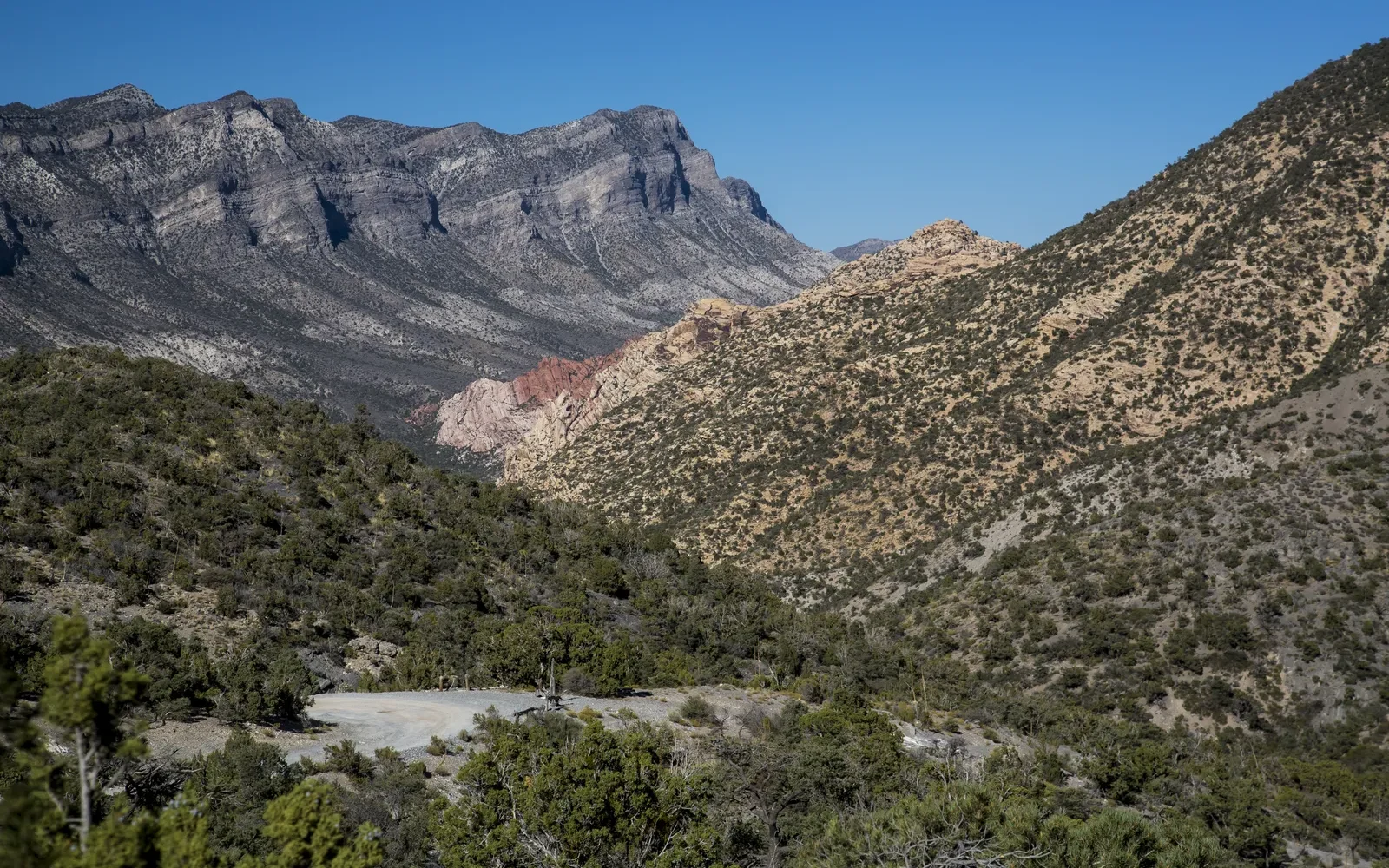
Wide sandstone views are only part of Red Rock. Pay attention to shadow, plant scale, layered geology, and the valley beyond. Stay on legal surfaces and do not create a new trail for a composition. A photograph is not worth damaging fragile ground or delaying other visitors at a narrow viewpoint.
Prepare before leaving the city
Download or save the official information needed for the day before service becomes uncertain. Confirm the vehicle has suitable fuel or charge, and understand which facilities are available on the chosen route. Bring a physical layer of backup—written directions, a basic map, and the name of the official destination—rather than depending on a single app notification.
Clothing should match exposure and activity, not only the temperature shown for central Las Vegas. Sun, wind, elevation, and rapid weather changes can alter comfort. Food and water should remain usable after hours in a warm vehicle. Never leave a person or animal in a parked car while others make a “quick” stop.
A scenic visit can still be complete
Not every visitor needs a long hike. Scenic viewpoints, interpretation, accessible facilities, geology, plant life, and the simple change in scale can make a complete desert chapter. Choose stops that the whole group can use, and resist adding distance merely to make the day sound more ambitious. The conservation area is not a fitness test.
When the group separates for different activities, set a clear meeting place and time that account for limited signal and variable pace. Do not rely on live location sharing as the only plan. If someone is overdue or conditions become unsafe, follow official emergency guidance rather than improvising a search beyond the group’s ability.
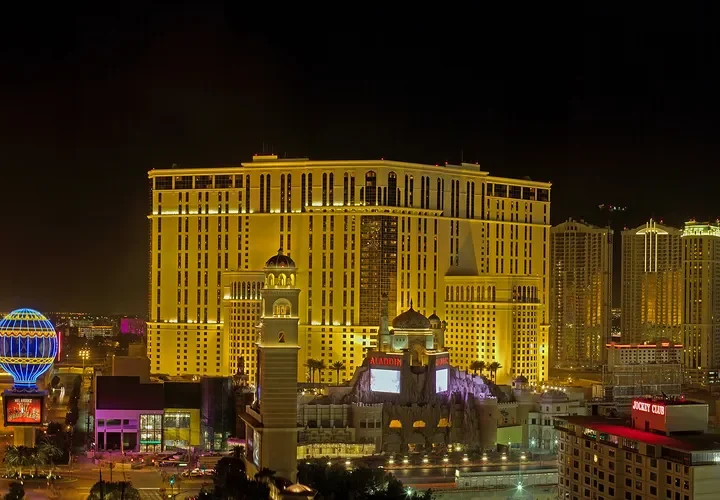
Place the desert day inside a broader route with Las Vegas beyond the marquee, then verify every current access detail with the BLM.

Grand Canyon, Bryce, Zion, Antelope Canyon, Monument Valley 3 Day Tour
Experience the ultimate 3-day Southwest adventure from Las Vegas, covering more top destinations than any other tour of its kind. Explore iconic natio...

Small Group: Valley of Fire Half Day Tour from Las Vegas
Escape the bustle of Vegas and immerse yourself in nature! This small-group tour whisks you away to Valley of Fire S...

Guided Antelope Canyon & Horseshoe Bend Day Tour from Las Vegas
Experience the breathtaking beauty of the Southwest with a full-day guided tour from Las Vegas to Antelope Canyon an...

Award-Winning Lower Antelope Canyon, Horseshoe Bend 1-Day W/Wi-Fi
Experience one of Las Vegas' most trusted day tours to Lower Antelope Canyon and Horseshoe Bend. Proudly recognized...

Flyover in Las Vegas: An Immersive Flying Ride Experience
Experience the thrill of flight at Flyover in Las Vegas, where cutting-edge technology immerses you in breathtaking...

Big Bus Las Vegas: Sightseeing Night Tour by Open-Top Bus
Hop aboard the Big Bus Las Vegas Night Tour for the ultimate open-top adventure through Sin City’s dazzling lights...

The Wizard of Oz at Sphere in Las Vegas
Step into The Wizard of Oz at Sphere, where groundbreaking technology surrounds you in a larger-than-life, fully imm...
Zion National Park Small-Group Highlights Tour from Las Vegas
Experience the jaw-dropping wonders of Zion National Park without the strenuous, exhausting climbs. This premium, small-group day trip from Las Vegas...