Las Vegas makes a powerful first impression, but the most satisfying trips become easier once the city is treated as a set of connected districts, landscapes, and daily rhythms rather than one continuous attraction.
Start with a three-layer map
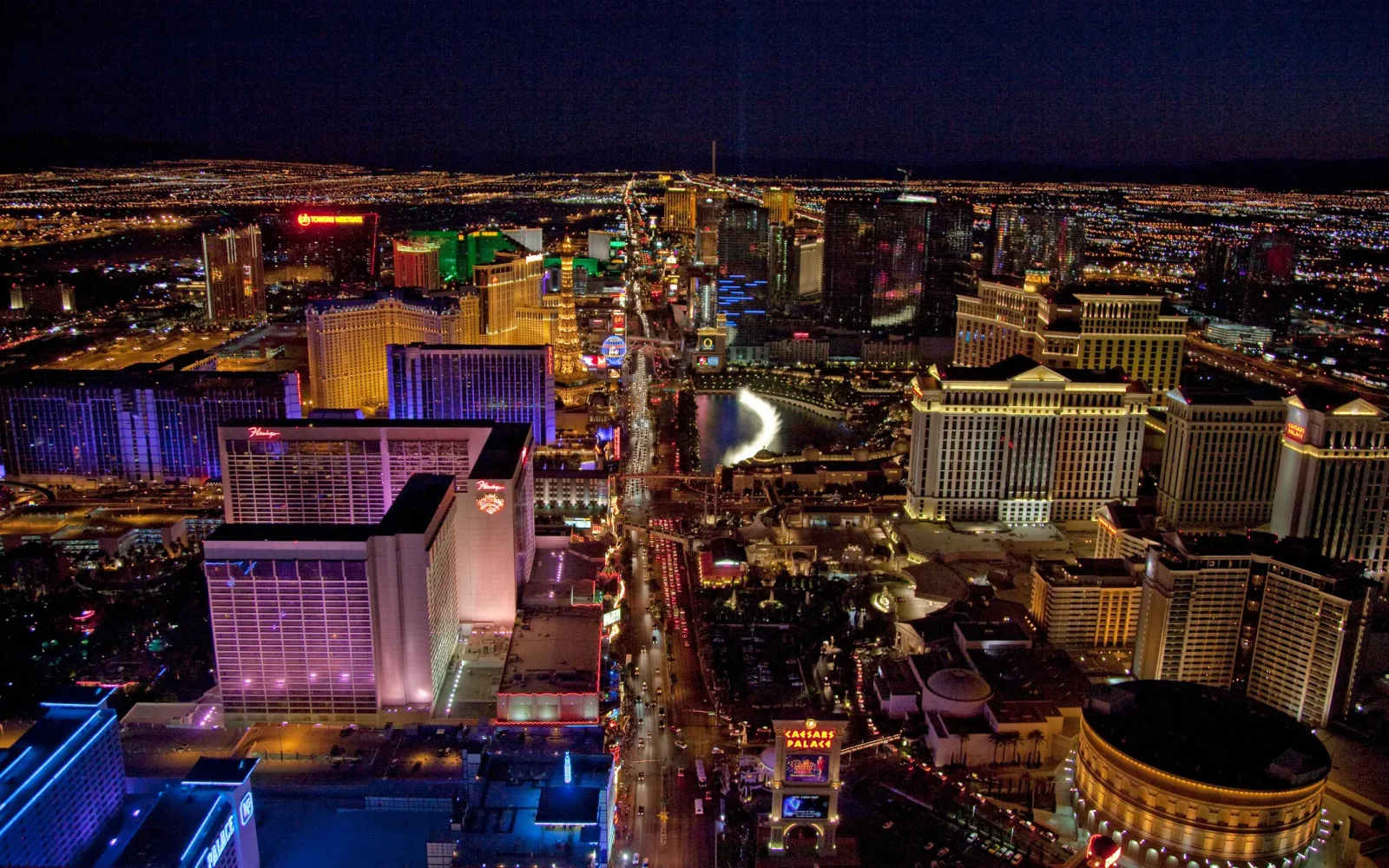
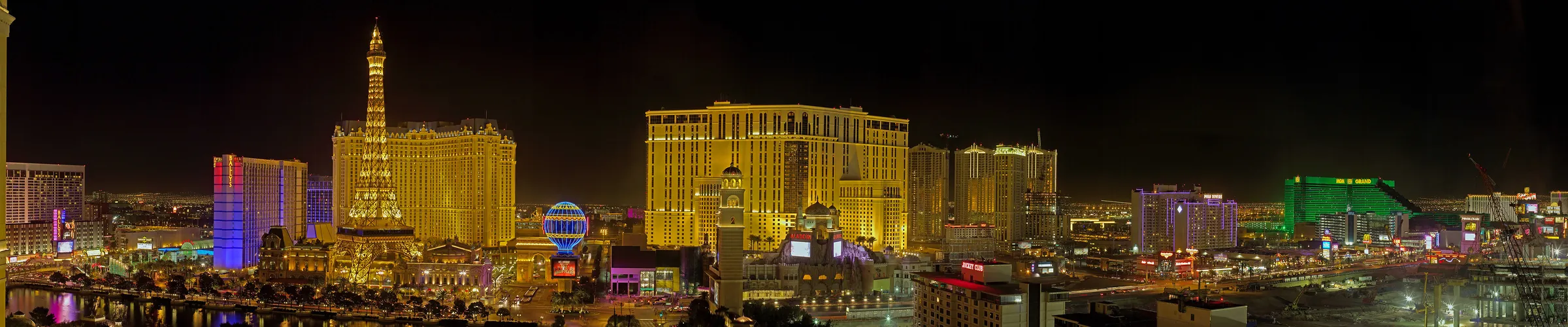
A useful Las Vegas plan begins with three layers. The first is the resort corridor commonly called the Strip: a long sequence of large properties, performance spaces, restaurants, retail, and spectacle. The second is Downtown and the central-city neighborhoods around it, including Fremont East and the 18b Arts District. The third is the wider valley and Mojave edge, where places such as Red Rock Canyon and Tule Springs change the scale of the trip. These layers are close enough to combine, but different enough that moving between them takes time and attention.

Big Bus Las Vegas: Sightseeing Night Tour by Open-Top Bus
Hop aboard the Big Bus Las Vegas Night Tour for the ultimate open-top adventure through Sin City’s dazzling lights! As the sun sets, watch the Strip...
This mental map prevents a common planning mistake: treating every Las Vegas address as if it sits on the same walkable block. A property that looks nearby on a simplified visitor map may still require a long indoor route, a major road crossing, or a separate ride. Downtown is not simply the northern end of the Strip, and an outdoor day is not a quick extension of an evening schedule. Give each layer its own block of time, then connect the blocks with deliberate transitions.
The approach also makes the city less overwhelming. Instead of asking how to “do Vegas,” decide what each day is for. One day might center on large-scale architecture and a show. Another might move through museums, older neon, a local lunch, and galleries. A third could reserve daylight for geology and return to the city after sunset. The trip becomes a sequence with contrast rather than a race through unrelated highlights.
Read the Strip as a district, not a checklist
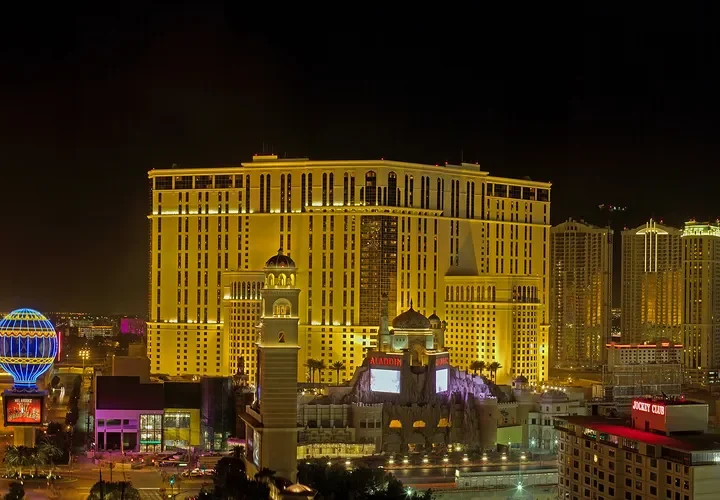
The Strip rewards selective attention. Its scale can make a simple list of hotels and attractions look efficient on paper while producing a tiring day in practice. Choose one or two anchor experiences in the same general stretch, then let architecture, public rooms, food, art, or performance fill the space between them. This leaves margin for security lines, indoor navigation, rest, and the simple fact that a compelling space may deserve longer than expected.
Walking can still be part of the experience, especially when the objective is observation rather than speed. Look at how each property constructs arrival: compressed entries that open into vast interiors, carefully framed water or garden views, overhead bridges, layers of signage, and sudden transitions between daylight and controlled interior light. Those changes are part of the city’s design language. They also explain why a route measured only in straight-line distance can be misleading.
Plan transport before the day becomes crowded with commitments. Public transit, taxis, rideshare, walking, and driving each have different tradeoffs, and conditions change. Confirm current routes, pickup locations, accessibility, parking, and service information with the relevant operator. Avoid building an itinerary that depends on a perfect transfer at a precise minute. A flexible arrival window is usually more useful than squeezing in one more stop.
Give Downtown its own chapter
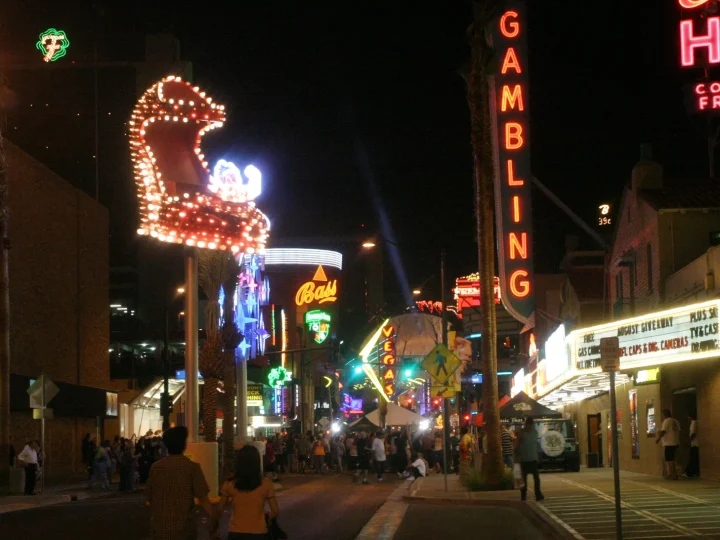
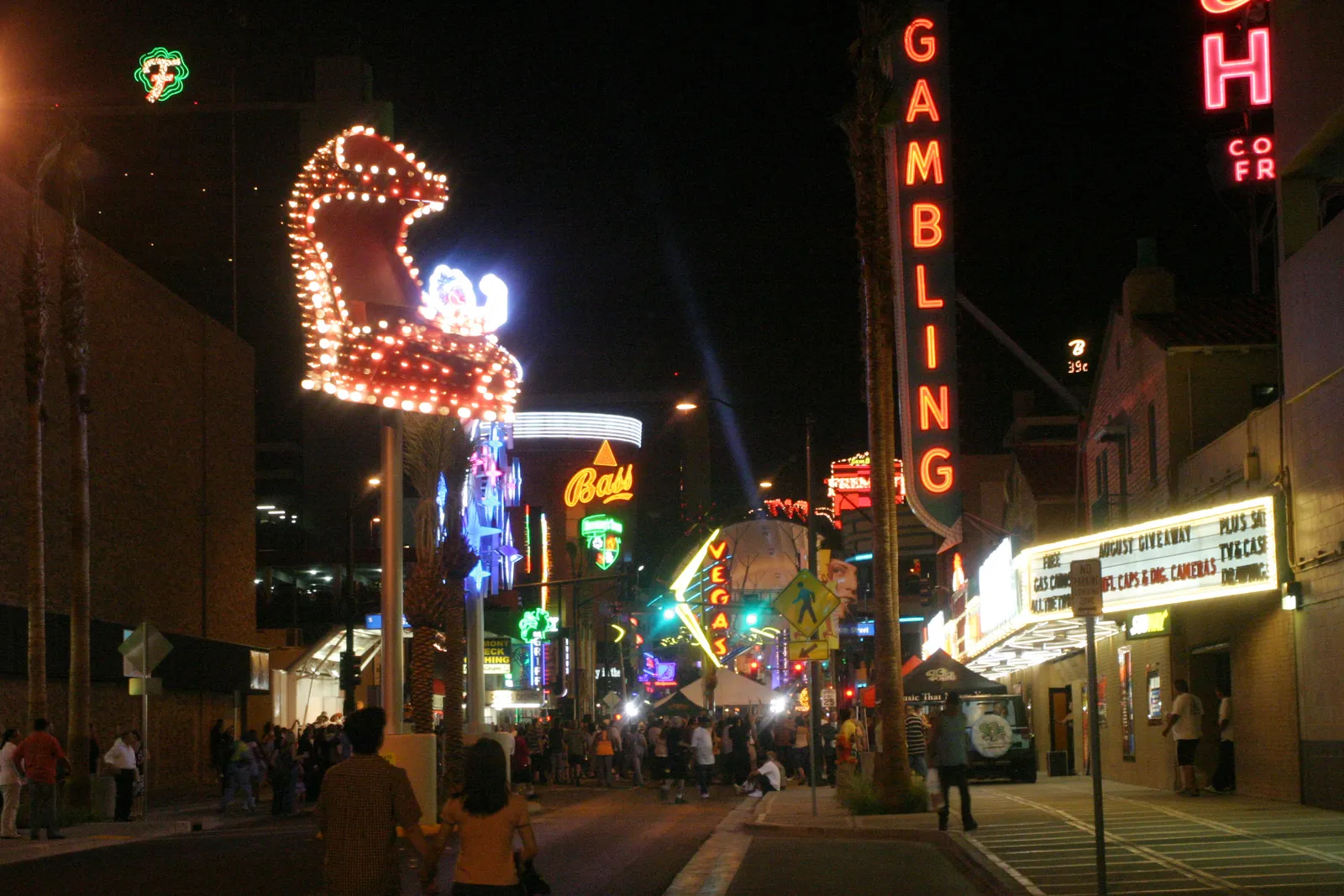
Downtown Las Vegas offers a different street scale and a longer view of the city’s reinvention. Fremont Street carries layers of neon, entertainment, and tourism history, while Fremont East brings smaller venues, restaurants, and pedestrian activity into the same evening. Nearby museums and cultural spaces can add context that a resort-only schedule misses. The best Downtown day does not need to imitate a Strip day; it can move more slowly and stay closer to the sidewalk.
Begin in daylight if architecture, museums, or photography matter. Daylight clarifies painted surfaces, sign structures, older commercial proportions, and the mountains beyond the street grid. Stay into blue hour to watch the district change without reducing it to pure night imagery. When the signs turn on, the transition has meaning because the unlit structures and daytime city were visible first.
Older neon deserves attention as fabricated design, not only nostalgia. Tubes, housings, supports, lettering, repair marks, and the relationship between a sign and its building reveal how commercial messages became architecture. Avoid treating every sign as a free-standing icon; look for the human work and urban context around it. Museums and preservation organizations can provide deeper interpretation than a quick photo stop.

Grand Canyon West & Hoover Dam Tour With Breakfast At IHOP
Enjoy a premium Grand Canyon West tour with 3.5 hours to explore iconic viewpoints like Eagle Point and Guano Point...

Award-Winning Lower Antelope Canyon, Horseshoe Bend 1-Day W/Wi-Fi
Experience one of Las Vegas' most trusted day tours to Lower Antelope Canyon and Horseshoe Bend. Proudly recognized...

Antelope Canyon & Horseshoe Bend Day Tour with Lunch, Free WiFi
Step into the surreal beauty of Antelope Canyon, where narrow sandstone walls twist and glow with vibrant hues of re...
Use the Arts District for street-level time
The 18b Arts District adds studios, galleries, vintage shops, restaurants, bars, murals, performance spaces, and adaptive reuse to a Las Vegas itinerary. It is not a decorative detour from the “real” destination. It is one of the places where contemporary local creativity and daily business are visible at a scale that encourages walking, looking into storefronts, and changing plans.
Treat the district as an active neighborhood rather than an outdoor set. Businesses have their own schedules and purposes; murals and artworks have creators; residents and workers are not background characters. A good visit supports spaces that are open, respects photography rules, and leaves room for a conversation or unexpected exhibition. Check current event and access information directly rather than assuming an old guide remains accurate.
The district pairs well with Downtown because the visual transition is legible: large visitor infrastructure gives way to lower buildings, workshop materials, painted walls, patio spaces, and more varied storefront rhythms. It also works in daylight, making it useful on a trip otherwise weighted toward evenings. For a deeper route, read our Downtown Las Vegas on foot guide.
Let the desert reset the scale
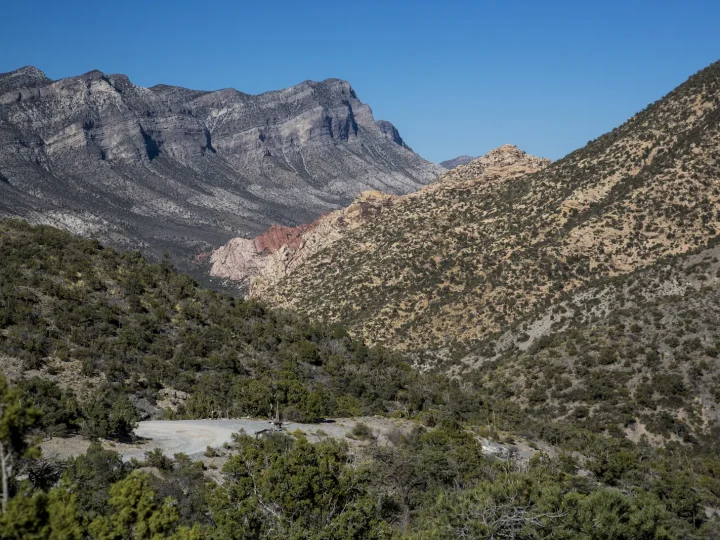
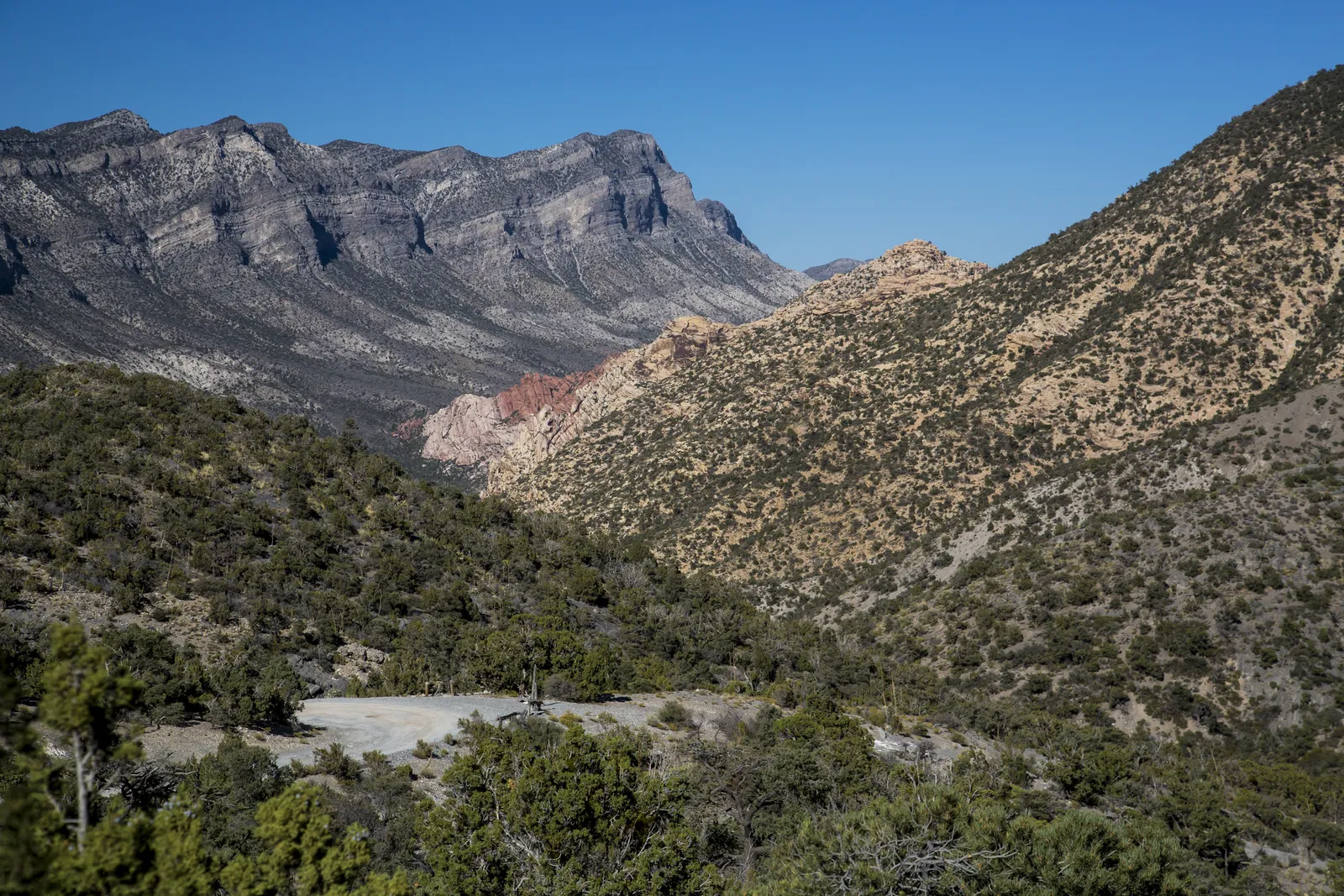
Red Rock Canyon National Conservation Area is close enough to shape the Las Vegas horizon and different enough to demand its own planning logic. Sandstone, open sky, seasonal conditions, wildlife, trail choices, and public-land rules replace the controlled climate and continuous services of the resort corridor. The shift is valuable, but proximity should not be mistaken for simplicity.
Start with the official Bureau of Land Management information for current access, conditions, reservations where applicable, closures, safety, and Leave No Trace guidance. Choose an activity that matches the least-experienced member of the group. Carry water and sun protection appropriate to conditions, and do not rely on a general article for a trail decision. Heat, storms, road work, and seasonal demand can change the practical plan.
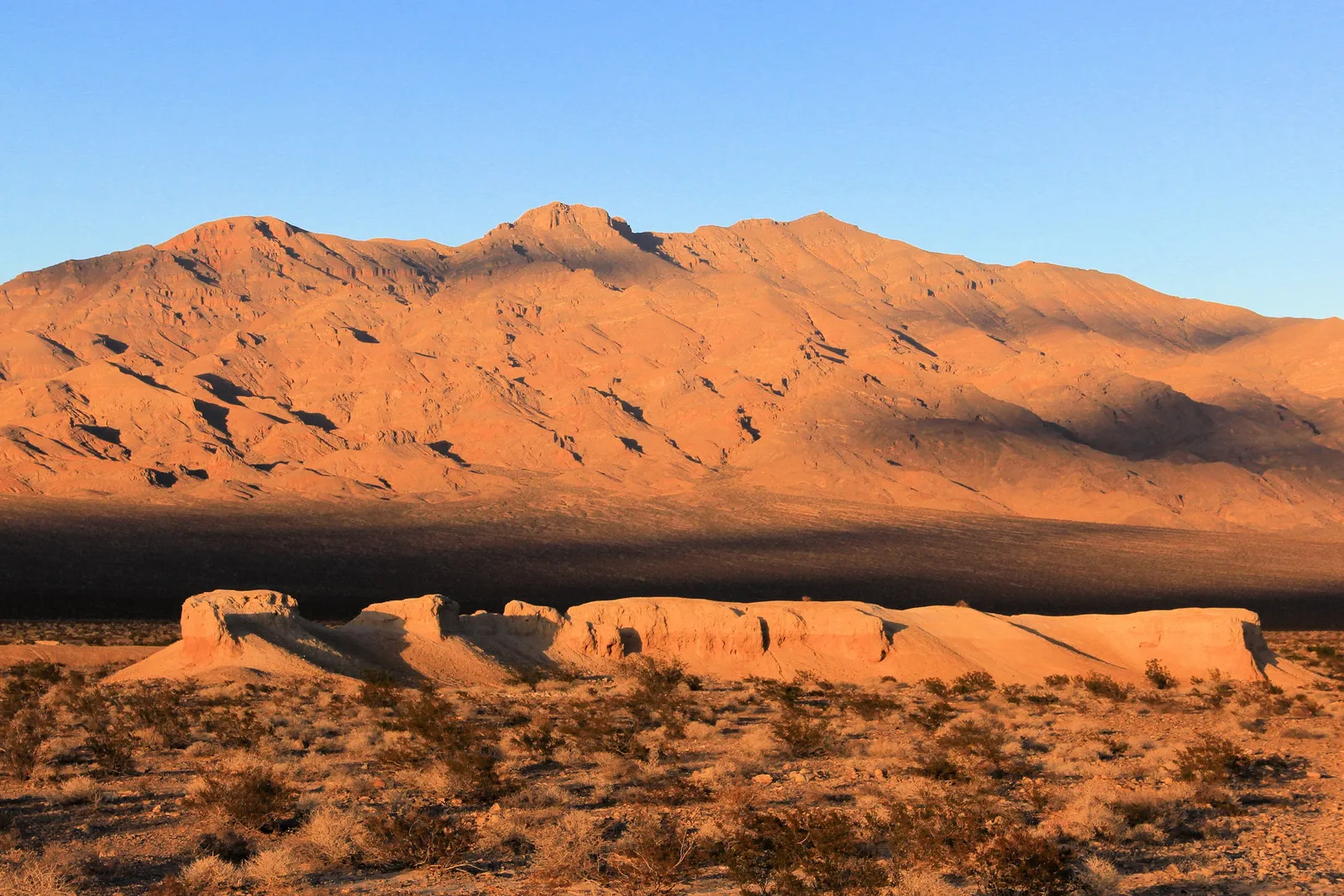
Tule Springs Fossil Beds National Monument offers another perspective. Its pale deposits preserve evidence of changing spring environments and Ice Age life in the upper Las Vegas Valley. The story is not a dramatic red-rock substitute; it is about water, sediment, climate, fossils, and deep time at the edge of a modern metropolitan area. Consult the National Park Service for current ways to learn about the monument and for resource-protection guidance.
Build a day around energy, not only distance
Las Vegas planning improves when energy becomes a real constraint. Long indoor walks, heat, standing, late meals, bright sound environments, and short sleep can accumulate even when individual activities look easy. Group similar energy levels together: a museum and a neighborhood lunch; a pool or rest period before a show; a desert morning followed by an unhurried evening. Recovery time is part of the itinerary, not evidence that the trip is underfilled.
| Planning block | Best used for | Margin to protect |
|---|---|---|
| Early daylight | Outdoor landscapes, architecture, quieter streets | Weather, access, hydration, travel time |
| Late morning to afternoon | Museums, galleries, long meals, indoor exploration | Rest, indoor walking, changing reservations |
| Blue hour | City transitions, skyline and street photography | Traffic and moving between districts |
| Evening | Performance, dining, illuminated streets | Entry procedures and a realistic return plan |
Still comparing Las Vegas District Based Sightseeing And Desert Planning?
Ask for tour ideas, hotel suggestions, or a simple trip plan that combines both.
Trip Helper
Plan food by neighborhood and purpose
Las Vegas dining can be a headline experience, a practical reset, or a way into a neighborhood. Decide which role a meal plays before choosing it. A destination dinner deserves space around it. A pre-show meal should not depend on crossing the valley at the busiest moment. A neighborhood lunch can anchor a daytime route and introduce a part of the city that would otherwise remain a drive-through.
Avoid using a fixed “best restaurants” list as if it were permanent. Chefs, menus, ownership, reservation systems, and service details change. Instead, research clusters and cuisines, then verify the current restaurant directly. Chinatown, Downtown, the Arts District, the resort corridor, and other valley neighborhoods offer different concentrations and contexts. The goal is not to collect famous names; it is to match the meal to the day’s geography, budget, accessibility needs, and energy.
- Reserve extra time when a meal is itself the event.
- Choose the neighborhood before choosing a reservation window.
- Protect enough travel margin that the meal does not compress the next stop.
- Confirm accessibility, dietary accommodation, and age policies directly.
- Do not assume every dining room in a large property is near its main entrance.
- Keep one flexible meal for a place discovered while walking.
- Hydration and a quieter room may be more valuable than another elaborate stop.
Make access part of the route
Accessibility is not one checkbox attached to an attraction. It is the complete path from arrival to entry, through the experience, and back to the next stop. A route may include long interior distances, pedestrian bridges, uneven outdoor surfaces, intense sound or light, queues, standing, heat, and a pickup location that differs from the main address. Ask about the parts that matter to the traveler rather than assuming a broad accessibility label answers every question.
Build the day around the group’s real pace. Confirm step-free routes, seating, mobility-device policies, service-animal information, captioning or assistive listening, sensory conditions, and accessible transport directly with the responsible venue or operator. If a provider cannot answer a material question, leave enough time to choose a different plan. A shorter route that everyone can use is more valuable than a famous route that strands part of the group.
Las Vegas can also be visually and acoustically demanding. Quiet breaks, outdoor air when conditions are safe, tinted lenses, hearing protection, and a clearly agreed meeting point can improve the day. Keep essential medication, identification, and communication options available rather than checked or left at a distant base. For accommodation geography, use the separate where-to-stay framework.
Keep bookings separate from editorial judgment
Tour cards on a guide may include provider-supplied photos, descriptions, ratings, review counts, prices, and booking links. Those details are useful only when their status is clear. They can change and should be confirmed at checkout. An affiliate relationship means the site may receive a commission after a qualifying booking; it does not make a product an editorial fact or replace the provider’s terms.
Use live cards to compare relevant options, then evaluate the fundamentals: what is included, meeting point or pickup, accessibility, cancellation, duration, age or mobility constraints, and whether the experience fits the rest of the day. Do not follow an outbound booking link simply to test a button. The final decision belongs at the provider path after the traveler reviews current information.

Ultimate VIP Hoover Dam Tour from Las Vegas with Lunch
Experience an exclusive VIP tour of the Hoover Dam with early access to avoid crowds and fully enjoy the site. This...

Award Winning 3-Hour Hoover Dam Small Group Mini Tour from Vegas
The Hoover Dam Mini Tour - a three-time winner of Viator's "Experience Award," showcasing the world's best tours, is...

Grand Canyon, Antelope Canyon, and Horseshoe Bend Day Tour
Discover three of the American Southwest’s most breathtaking landmarks in one unforgettable day with this Grand Ci...
A flexible three-day framework
This framework is deliberately not a schedule. It demonstrates contrast and geographic grouping without assuming current hours or availability.
- Day one — orientation and scale. Begin with an unhurried look at the resort corridor, choose one anchor attraction or performance, and leave space to understand the property’s interior route. Use blue hour for a city view or streetscape, then keep the evening geographically compact.
- Day two — Downtown and creative streets. Start with a museum, architectural walk, or civic-history stop. Continue through Downtown and the Arts District with a neighborhood meal. Stay through the transition into neon, but keep a clear return plan and avoid stacking another distant commitment.
- Day three — desert context and a calm finish. Use official conditions to choose an appropriate Red Rock or Tule Springs experience. Return with enough margin to rest. Finish with a meal, small venue, or repeat neighborhood rather than treating the final night as an obligation to cover what was missed.
Travel with geographic and cultural care
Las Vegas is a living metropolitan area, not a theme that begins and ends at a visitor corridor. Use accurate place names, respect private property, follow public-land rules, and avoid turning workers or residents into props. The Springs Preserve identifies its site as Nuwuvi, Southern Paiute, territory. That history should lead to learning from authoritative sources, not borrowing patterns, words, or stories as decoration.
Desert travel also carries responsibility. Stay on lawful routes, protect fossils and cultural resources, carry out waste, and follow current agency guidance. In the city, choose legal viewpoints and respect venue photography rules. A strong photograph is not worth entering a closed area, blocking a sidewalk, or using a stranger’s image without context.
Leave one part of the trip unwritten
The final planning principle is restraint. Las Vegas offers more than a short visit can reasonably hold, and constant choice can become its own kind of fatigue. Protect one open block. Use it to return to a place that was better than expected, follow a recommendation, rest, or choose an experience with current availability. The open block is where the city can become more than the itinerary.
Start with the latest guides, compare broad themes on the Tours page, and verify live details before committing. Follow the glow that brought you here, then give yourself enough time to find the city around it.

Ultimate Hoover Dam Tour from Las Vegas
Your trip to Las Vegas won’t be complete without a tour of the mighty Hoover Dam, where thousands of Depression-er...

Half-Day Emerald Cave Kayak Tour with Optional Hotel Pickup
Experience the dazzling beauty of the Colorado River with a guided kayak tour through the picturesque Black Canyon a...

Off Road UTV Adrenaline Experience in Las Vegas
Adrenaline Mountain delivers a next-level off-road experience on custom-built, private trails through the historic M...
Big Bus Las Vegas: Sightseeing Night Tour by Open-Top Bus
Hop aboard the Big Bus Las Vegas Night Tour for the ultimate open-top adventure through Sin City’s dazzling lights! As the sun sets, watch the Strip...