The most useful Las Vegas accommodation question is not “Which hotel is best?” but “Which base makes this particular trip easier every day?”
Start with the itinerary’s center of gravity
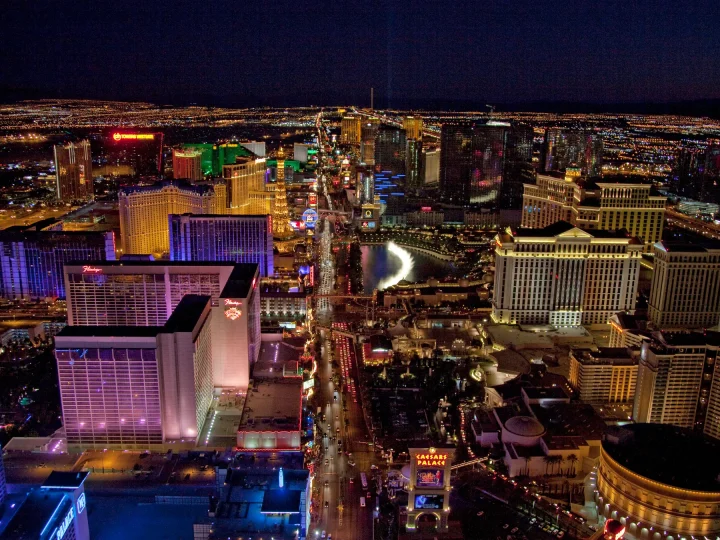
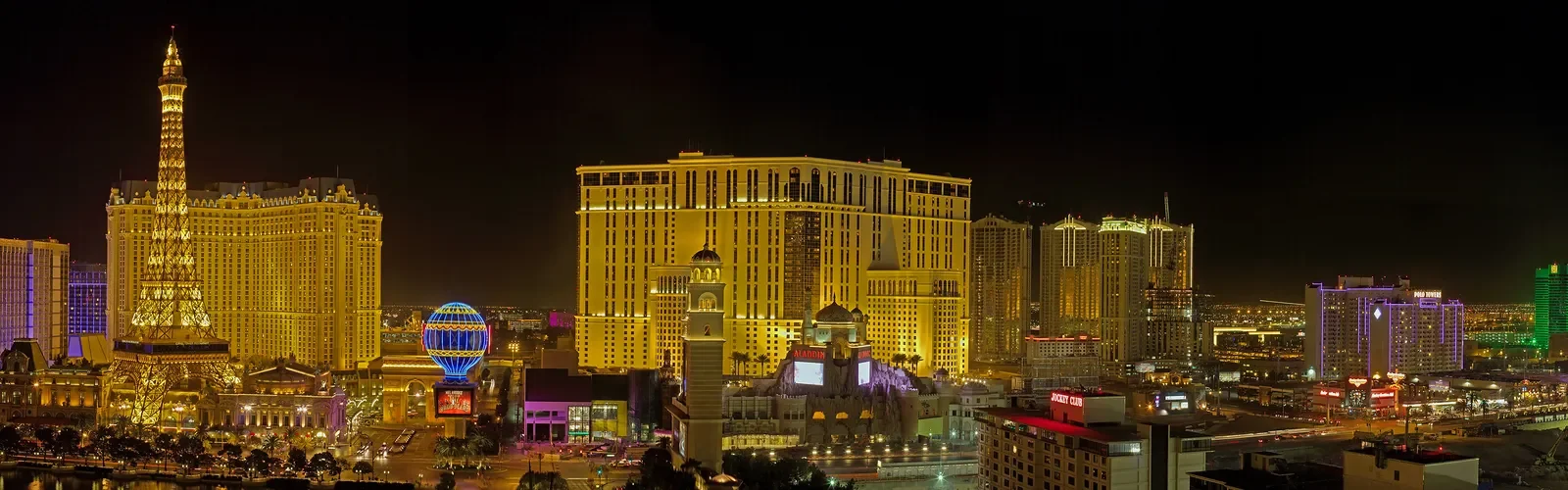
If most plans involve resort dining, large performances, and Strip attractions, a well-chosen Strip base can reduce transfers. If museums, Fremont, older neon, and Downtown evenings dominate, a Downtown base changes the daily rhythm. Off-Strip or neighborhood properties may suit travelers prioritizing parking, room configuration, a particular event venue, or a quieter return. Every choice creates tradeoffs; no address makes the whole valley walkable.

Big Bus Las Vegas: Sightseeing Night Tour by Open-Top Bus
Hop aboard the Big Bus Las Vegas Night Tour for the ultimate open-top adventure through Sin City’s dazzling lights! As the sun sets, watch the Strip...

High Roller Wheel Admission Ticket at The LINQ
Get your ticket to ride the High Roller, the world’s largest observation wheel. At 550 feet tall (168m), this Las Vegas icon lives up to its name, o...
Compare the complete stay
A room rate is not the only planning detail. Confirm the current total for the chosen dates, mandatory fees, deposit or hold policies, parking, cancellation, room configuration, age rules, accessibility, pool or amenity access, and the physical route from arrival to the room. In a very large property, tower location and walking distance can matter as much as the map pin.
| Trip style | Base to research first | Tradeoff to check |
|---|---|---|
| Shows and resort dining | Same general Strip segment | Property scale and total stay cost |
| Downtown culture and nightlife | Downtown/Fremont area | Distance to Strip commitments |
| Road-based desert days | Parking-friendly valley location | Evening transport and neighborhood fit |
| Mixed first visit | Base near the strongest two-day cluster | Transfers for the remaining layer |
Use provider data as live data
Once hotel inventory is configured, provider cards can supply current photos, ratings, prices, and booking paths. Those fields should be treated as provider-supplied snapshots, not permanent claims. Review final dates, room type, taxes and fees, cancellation, and booking terms at checkout. Until inventory is configured, a guide should present neighborhood logic and an honest future state rather than invented hotels or rates.
Map the complete arrival
An address does not describe the whole arrival. Confirm the actual entrance, rideshare or taxi pickup, parking route, public-transport stop, check-in location, and distance to the assigned room or tower. Large properties can contain multiple circulation systems, and an apparently central room may still require long indoor walks.
For accessibility, ask about the complete path and the specific room feature required. “Accessible room” can refer to different layouts and equipment. Confirm shower or tub configuration, clearances, bed height where important, visual or audible alerts, step-free routes, pool access, and how to reach the restaurants or venues that matter to the trip.
Consider a split stay only when it earns the move
Changing bases can reduce later transfers, but packing, checkout, luggage storage, transport, and a second check-in consume time. A split stay makes sense when it creates two clearly different trip chapters or solves a major logistical problem. It is less useful when the move saves only a small distance and creates a day organized around bags.
Keep the final comparison on one page: total stay cost for the same dates, cancellation, room type, location, daily transfer plan, and the features the traveler will actually use. Do not let one attractive photograph outweigh the route that repeats every morning and night.
For the wider day-by-day framework, read Las Vegas beyond the marquee.

Small Group: Valley of Fire Half Day Tour from Las Vegas
Escape the bustle of Vegas and immerse yourself in nature! This small-group tour whisks you away to Valley of Fire S...
Big Bus Las Vegas: Sightseeing Night Tour by Open-Top Bus
Hop aboard the Big Bus Las Vegas Night Tour for the ultimate open-top adventure through Sin City’s dazzling lights...
High Roller Wheel Admission Ticket at The LINQ
Get your ticket to ride the High Roller, the world’s largest observation wheel. At 550 feet tall (168m), this Las...
Big Bus Las Vegas: Sightseeing Night Tour by Open-Top Bus
Hop aboard the Big Bus Las Vegas Night Tour for the ultimate open-top adventure through Sin City’s dazzling lights! As the sun sets, watch the Strip...
High Roller Wheel Admission Ticket at The LINQ
Get your ticket to ride the High Roller, the world’s largest observation wheel. At 550 feet tall (168m), this Las...
Still comparing Las Vegas Accommodation By Trip Style?
Ask for tour ideas, hotel suggestions, or a simple trip plan that combines both.