A better Las Vegas food plan starts with geography and purpose: decide whether a meal is the destination, a neighborhood anchor, or a practical pause, then research what is current.
Choose the role before the restaurant
A headline dinner deserves time on both sides. A pre-performance meal must fit the same district and allow for entry procedures. A neighborhood lunch can support an Arts District, Downtown, Chinatown, or museum route. A recovery meal may need quiet, shade, hydration, and simple logistics more than a famous room. Naming the role prevents a long transfer from consuming the day.

Big Bus Las Vegas: Sightseeing Night Tour by Open-Top Bus
Hop aboard the Big Bus Las Vegas Night Tour for the ultimate open-top adventure through Sin City’s dazzling lights! As the sun sets, watch the Strip...
Research clusters, not permanent rankings
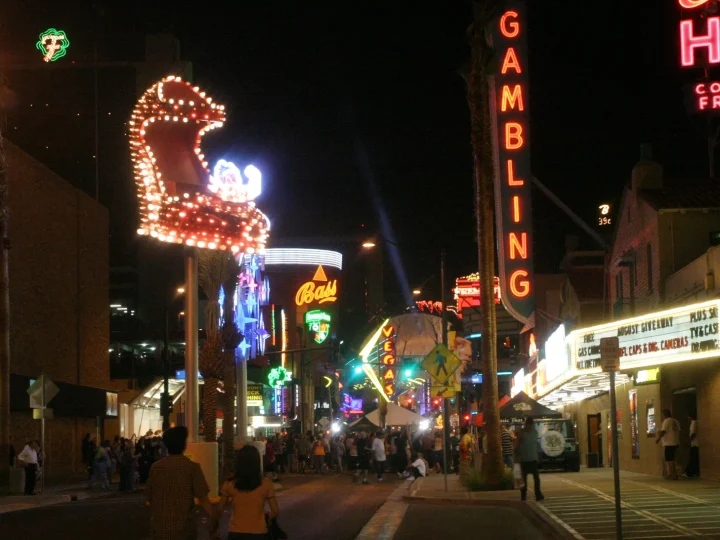
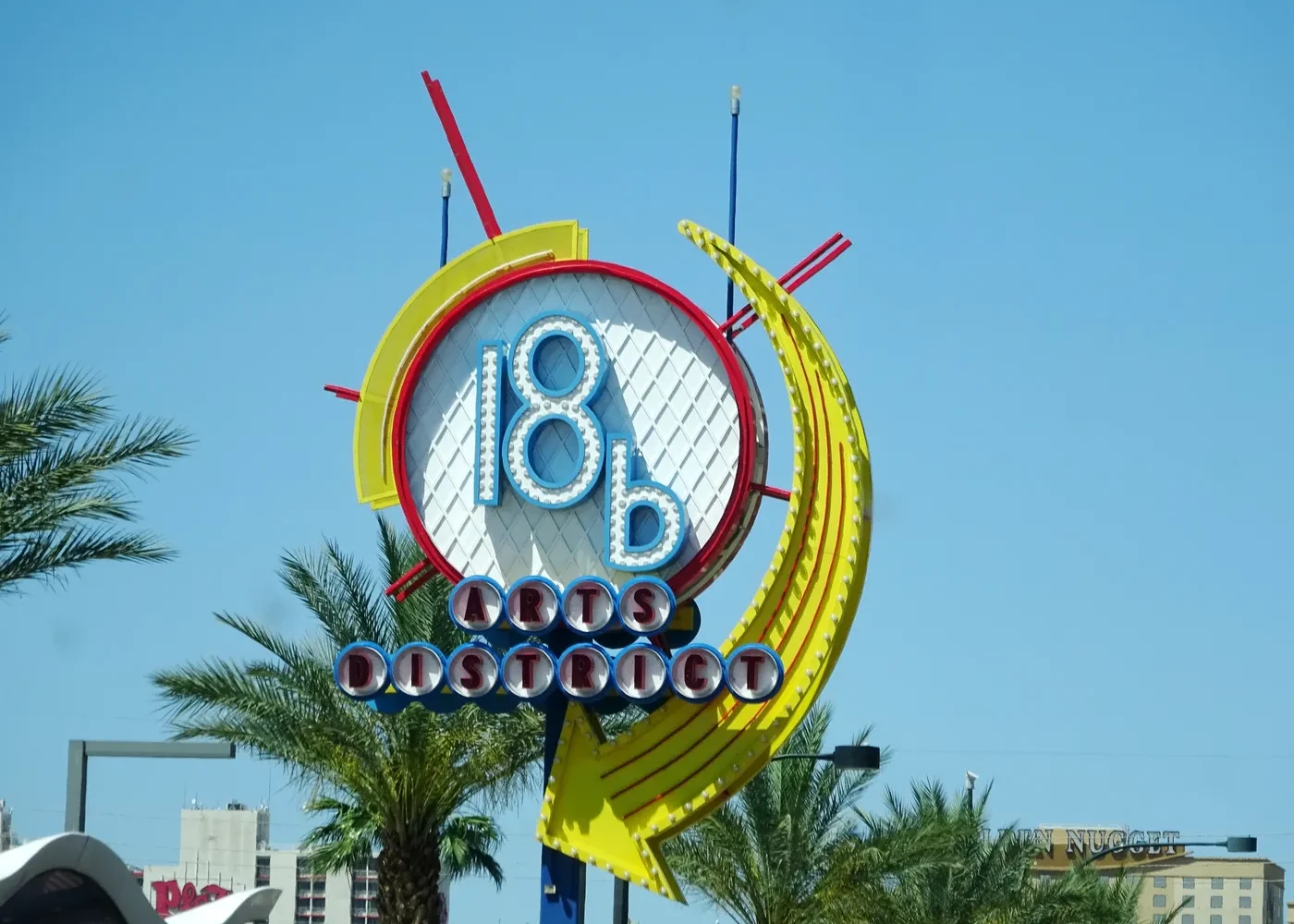
Restaurants change faster than an evergreen guide. Chefs, ownership, menus, reservation systems, age policies, and service details can move. Use current direct sources to verify the restaurant, then use a guide to understand the surrounding cluster. Downtown and Fremont East can pair food with museums and evening streets. The Arts District supports galleries, shops, cafes, breweries, and restaurants. Chinatown and other valley districts can reward a route built around several nearby options rather than one long cross-town reservation.
Ask practical questions early
- Is the location inside a very large property, and how long is the internal walk?
- Does the current menu support dietary and allergy needs?
- What accessibility details should be confirmed directly?
- Does the reservation leave a realistic arrival margin?
- Is the total meal budget compatible with the rest of the day?
- Is there a nearby alternative if plans change?
Leave room for discovery
One flexible meal can be more memorable than a fully locked schedule. It allows a gallery owner, guide, server, or shopkeeper to point toward a place that fits the day. Treat recommendations as leads, check current information, and remember that a neighborhood business is not an attraction set. Respect busy service, tipping customs, photography preferences, and the people sharing the room.
Build a short decision list
For each day, keep one preferred meal and two nearby alternatives at different levels of time and formality. The alternatives are not second-rate; they are resilience. A delayed arrival, changed appetite, accessibility issue, or unexpectedly good museum can then change the meal without collapsing the whole schedule.
- Destination meal: protect time, budget, and transport on both sides.
- Route meal: choose within the district already being explored.
- Reset meal: prioritize quiet, comfort, hydration, and simple logistics.
- Flexible meal: verify a same-day recommendation and keep a nearby backup.
Read price and service details carefully
Menus and booking platforms may present base prices without every tax, fee, supplement, minimum, or gratuity practice that affects the final total. Review the current restaurant information and ask a direct question when a material detail is unclear. For groups, confirm deposit, cancellation, seating, splitting, and timing policies before the reservation becomes difficult to change.
Food writing should not turn staff into scenery or make unsupported claims about authenticity. Name a cuisine, technique, or community carefully and credit the people who describe their own work. A responsible guide can explain why a neighborhood route is useful without pretending to rank every culture or kitchen.
Combine a neighborhood meal with the street-scale route in Downtown Las Vegas on foot.

Michael Jackson ONE by Cirque du Soleil® at Mandalay Bay Resort and Casino
Michael Jackson ONE by Cirque du Soleil at Mandalay Bay Resort and Casino in Las Vegas is an electrifying fusion of...

Meow Wolf's Omega Mart at AREA15
Make your own way to AREA15, Las Vegas' newest, innovative entertainment complex. At the heart of this immersive pla...

The Wizard of Oz at Sphere in Las Vegas
Step into The Wizard of Oz at Sphere, where groundbreaking technology surrounds you in a larger-than-life, fully imm...
Big Bus Las Vegas: Sightseeing Night Tour by Open-Top Bus
Hop aboard the Big Bus Las Vegas Night Tour for the ultimate open-top adventure through Sin City’s dazzling lights! As the sun sets, watch the Strip...